Fall 2026 VISITING SPEAKER SERIES


The UCSB Department of Art Visiting Artist Colloquium features ten Artist Talks that are scheduled each Thursday evening from 5:00-6:50pm in UCSB’s Interactive Learning Pavilion / ILP 2101.  All lectures are free and open to the public.

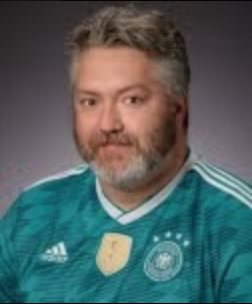
Matt Stahl

Thursday, September 24th, 2026

5:00 pm- 6:50 pm

Room 1101 in Interactive Learning Pavilion (ILP)


Curator of Gaucho Spirit: Stories of UCSB Athletics & Community 

Special Research Collections, UCSB Library

August 08, 2026 to July 7th, 2027 


Gaucho Spirit: Stories of UCSB Athletics & Community

On a Tuesday morning in September 1934, Coach “Spud” Harder stood before the student body to announce a “New Deal” for athletics, rallying the campus around the bold new emblem: “El Gaucho.” To spread the word, he introduced a football schedule tire cover similar to the one displayed below to publicize Santa Barbara State College across the region.


Generations of devoted students, staff, and local fans, including legendary superfan Phil Womble, have sustained the Gaucho spirit. It reached an ecstatic peak in 2006 when the Men’s Soccer team clinched the NCAA Championship, prompting euphoric fans to carry the Harder Stadium goalposts all the way to the Pacific Ocean. From the historic 2004 Women’s Basketball Sweet Sixteen run to the stellar individual careers of athletes like all-time leading scorer Orlando Johnson, UCSB sports have always been about more than points on a scoreboard. Today, UCSB Athletics remains deeply embedded in the local community through vital youth outreach, such as the softball program’s partnership with the Goleta Valley Girls Softball Association.


Collectively, every team, fan, and era helps foster an enduring Gaucho spirit.

Jackie Caballeros, Student Intern, helped curate this exhibition. It features materials from the newly accessioned Intercollegiate Athletics Department Collection.


Matt Stahl has served as the University Archivist at the University of California, Santa Barbara, since 2017. He holds a Masters in History and a Masters in Library Science from the University of Maryland. Prior to joining UCSB, he served as the Committee Archivist for the United States Senate Committee on Commerce, Science and Transportation from 2013-2017.


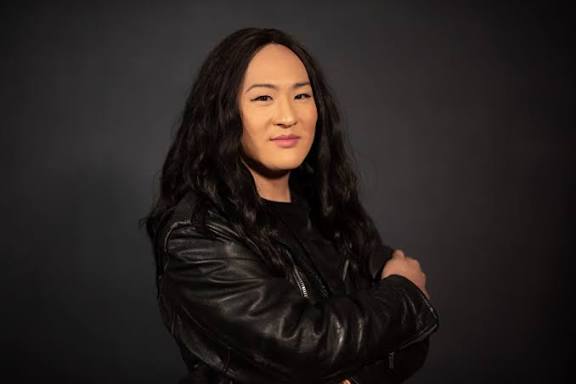
Young Joon Kwak

Thursday, October 1st, 2026

5:00 pm- 6:50 pm

Room 1101 in Interactive Learning Pavilion (ILP)


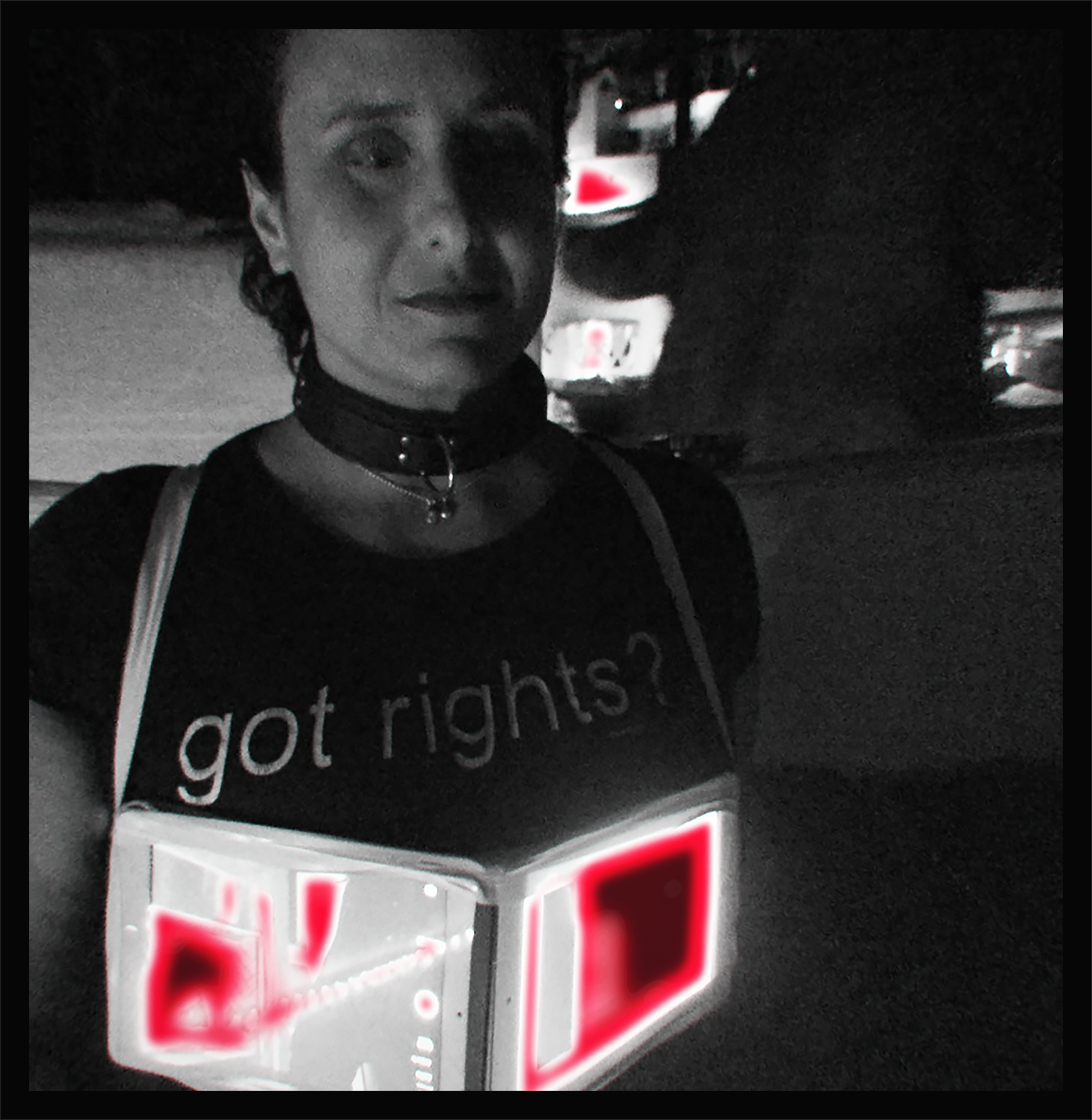
Young Joon Kwak is a LA-based multi-disciplinary artist who primarily uses sculpture, performance, video, and community-based collaborations to reimagine bodies as mutable and permeable sites of agency. In their sculptures and performances, Kwak takes a fluid and hybrid approach to rethinking the form, functionality, and materiality of objects as a means of resisting the harmful ways in which marginalized bodies have been historically objectified. Kwak readily wields and recontextualizes materials and references from the ruins of consumer culture, politics, and art history, breaking free from known identities and expanding our imagination of new and continually evolving bodies, selves, and futures.


Kwak received an MFA from the University of Southern California in 2014, an MA in Humanities from the University of Chicago in 2010, and a BFA from the School of the Art Institute of Chicago in 2007. They are the founder of Mutant Salon, a roving beauty salon/platform for experimental performance collaborations with their community of queer, trans, femme, POC artists and performers, and lead performer in the electronic-dance-noise band Xina Xurner. They are the new Assistant Professor of Sculpture & Spatial Practices at UCSB.

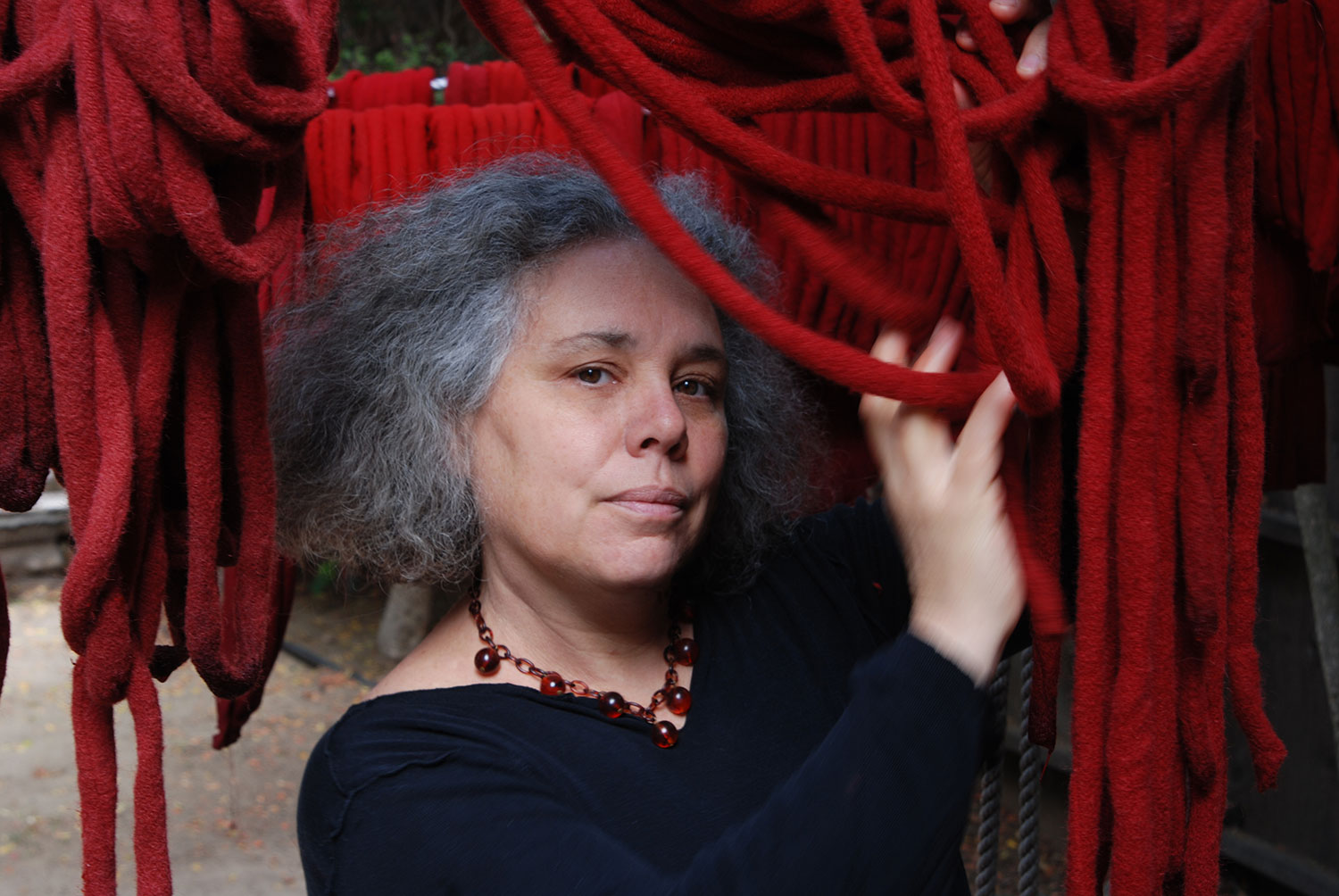
Alison Saar

The Robert Thomas Distinguished Artist-Sculptor Lecture

Thursday, October 8th 2026

5:00 pm- 6:50 pm

Room 1101 in Interactive Learning Pavilion (ILP)


Biography excerpted from the Smithsonian American Art Museum & Renwick Gallery:


“Alison Saar’s sculptures and installations are rooted in her interests in materiality and histories of art, religion, and spirituality from a global range of communities, including the African diaspora and Indigenous peoples, among others.


Saar was raised by the accomplished artists Betye and Richard Saar, whose distinct careers shaped her artistic development….In 1981, she received her MFA from the Otis Art Institute in Los Angeles, carving her first wooden figurative sculptures for her thesis. A year later, Saar moved to New York City and began the Studio Museum in Harlem’s Artist in Residence program in 1983. There, Saar constructed larger-than-life sculptures of women and men from salvaged tin ceiling tiles and wood. In 1991, Saar began bronze-casting public artworks, creating figurative statues that responded to their sites through layered cultural and historical references…This mode culminated in Rouse (2012, SAAM), made when her daughter left for college…In the years following President Barack Obama’s election, she continued to probe racism through works that recast historical Black literary characters from racial stereotypes to autonomous subjects, such as in Reapers (2021, SAAM)”.


(Authored by Gabriella Shypula, American Women’s History Initiative Writer and Editor, 2024.)


Tanya Zimbardo in Conversation with Jenny Sorkin

Thursday, October 15th, 2026

5:00 pm- 6:50 pm

Room 1101 in Interactive Learning Pavilion (ILP)


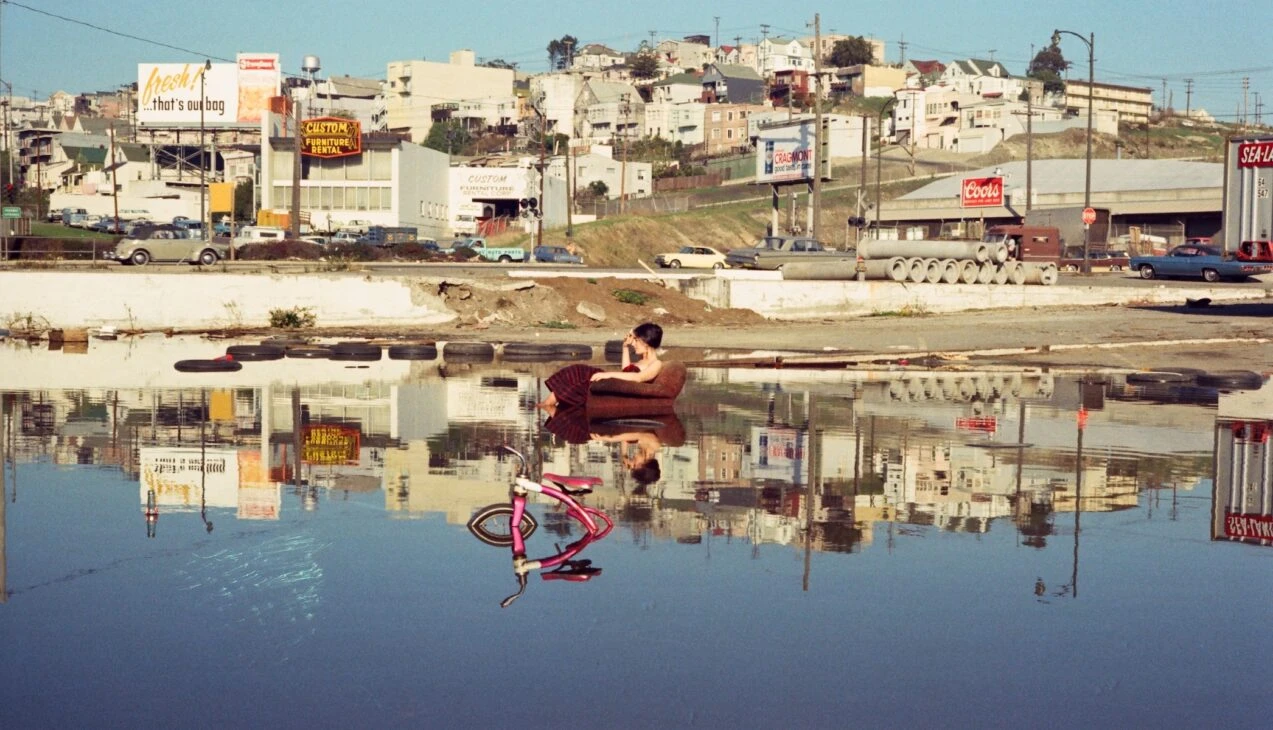
Bonnie Ora Sherk: Life Frames since 1970


Tanya Zimbardo is a San Francisco-based curator and writer. She curated Bonnie Ora Sherk: Life Frames since 1970 for the Fort Mason Center for Arts & Culture in San Francisco and co-edited the accompanying catalogue. This career-spanning survey of the late environmental artist is on view this fall at the Art, Design & Architecture Museum at UC Santa Barbara. Zimbardo is currently working on Wandering: Fifty Years of Work by Lewis deSoto (2027) for UCR ARTS, Riverside, and Material Frequencies (2027), Mills College Art Museum at Northeastern University in Oakland, as part of the inaugural Further Triennial.


Jenni Sorkin writes on the intersections between gender, material culture, and contemporary art. Her recent is Art in California (2021), written for Thames & Hudson’s acclaimed World of Art series. She currently serves on the editorial board of Journal of Modern Craft, and has served as a member of the editorial boards of Art Journal and Textile: The Journal of Cloth and Culture. She is the recipient of fellowships from the American Council of Learned Societies (2014-15), the Center for Craft, Creativity, and Design (2012), the Getty Research Institute (2010-11), and the ACLS/Luce Fellowship in American Art (2008). Sorkin is a Professor and Department Chair in the History of Art & Architecture at UCSB.


Laila Shereen Sakr

Thursday, October 22nd, 2026

5:00 pm- 6:50 pm

Room 1101 in Interactive Learning Pavilion (ILP)


Laila Shereen Sakr (VJ Um Amel) is an artist and scholar whose work merges digital arts and media, feminist decolonial thought, and critical AI to interrogate power, memory, and technoculture. Through her long-running R-Shief media system and exhibitions such as Capital Glitch (Qualcomm Institute, 2021), Dis-Assembling the Cloud (Lagos Biennial, 2024), and Rosetta Stones Resurrected (Diriyah Art Futures, 2025), she explores data as material and metaphor, using algorithmic disruption to reveal global entanglements. Her book Arabic Glitch: Technoculture, Data Bodies, and Archives (Stanford University Press, 2023) situates Arab digital cultures at the vanguard of media theory. Sakr is Associate Professor of Film & Media Studies at UC Santa Barbara, where she co-directs Wireframe Studio and co-founded the Creative Critical AI Undercommons.


Her art and research cultivate transnational, feminist, and community-authored approaches to technology and culture. As VJ Um Amel (moniker or video jockey “Mother of Hope”), she combines artistic innovation with critical inquiry, using data like clay to transform how we understand our contemporary worlds and future possibilities. As both an artist and a scholar of emergent media, she writes prolifically in venues such as Minnesota University Press’ Debates in Digital Humanities series and Middle East Critique, develops machine learning (ML) software and natural language processing (NLP) analytics for social media, and is developing an Arab futuristic video game about liberation. Her work has been shown in venues such as the SF MoMA, National Gallery of Art in Jordan, Camera Austria, Cultura Digital in Brazil, Kirchner Cultural Centre in Argentina, Tahrir Cultural Center in Egypt, Lagos Biennial in Nigeria, Qualcomm Institute in San Diego, and Diriyah Art Futures in Saudi Arabia.

Cosmo Whyte

Thursday, October 29th, 2026

5:00 pm- 6:50 pm

Room 1101 in Interactive Learning Pavilion (ILP)


Interlocutor, 2021 (Alternative View)


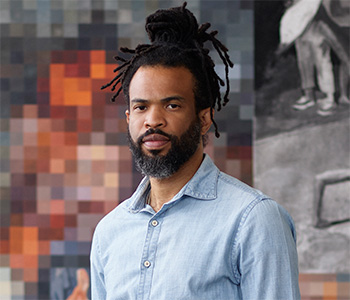
Whyte’s interdisciplinary practice spans drawing, painting, sculpture, and installation. Whyte’s work is guided by two primary research axes: the exploration of interstitial subjectivity through engagement with both intimate and public archives, and the investigation of Black spatiality and how identity is disrupted by migration—particularly migration as an unfinished arc of motion, whose final destination remains an open-ended question. Through his practice, Whyte interrogates the boundaries of the archive, challenging conventional distinctions between what is considered worthy of preservation and what resists containment.


Cosmo Whyte received a BFA from Bennington College, a post-baccalaureate at Maryland Institute College of Art, and a MFA from University of Michigan. Recent solo exhibitions include: (Mother Tongue) Pressed to the Grinding Stone, Arts Club Chicago (2025), Hush now Don’t Explain, Anat Ebgi (2022), No Longer Yours, MCASD (2020), Beneath Its Tongue The Fish Rolls The Hook To Sharpen Its Cadence, MOCA GA (2019), The Enigma of Arrival, The Mason-Scharfenstein Museum (2018). Cosmo Whyte joined the UCLA Department of Art in 2022 as an Assistant Professor and Painting and Drawing Area Head.


Dr. Natchee Blu Barnd

Thursday, November 5th, 2026

5:00 pm- 6:50 pm

Room 1101 in Interactive Learning Pavilion (ILP)


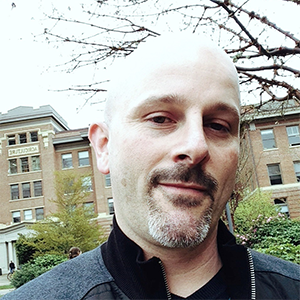
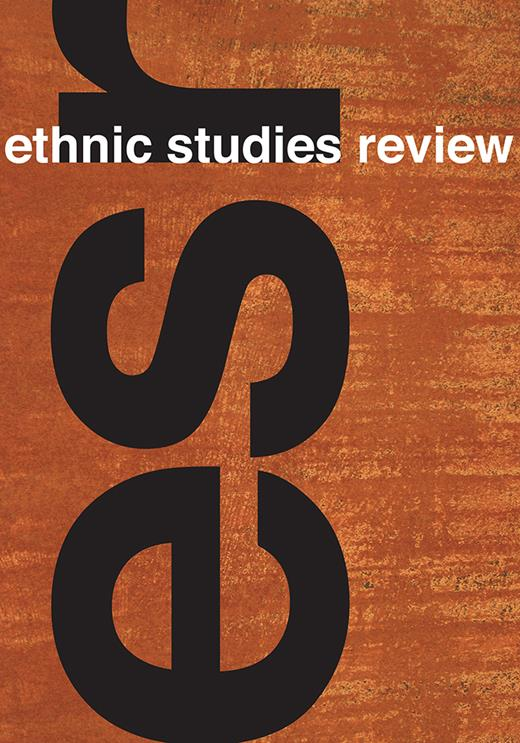
Dr. Natchee Blu Barnd is the editor of the longest-running ethnic studies journal, Ethnic Studies Review, which is now housed at UC Santa Barbara. His most noted pedagogical project is the Social Justice Tour, a student-led research and experiential community learning series based on local archival research and storytelling practices.


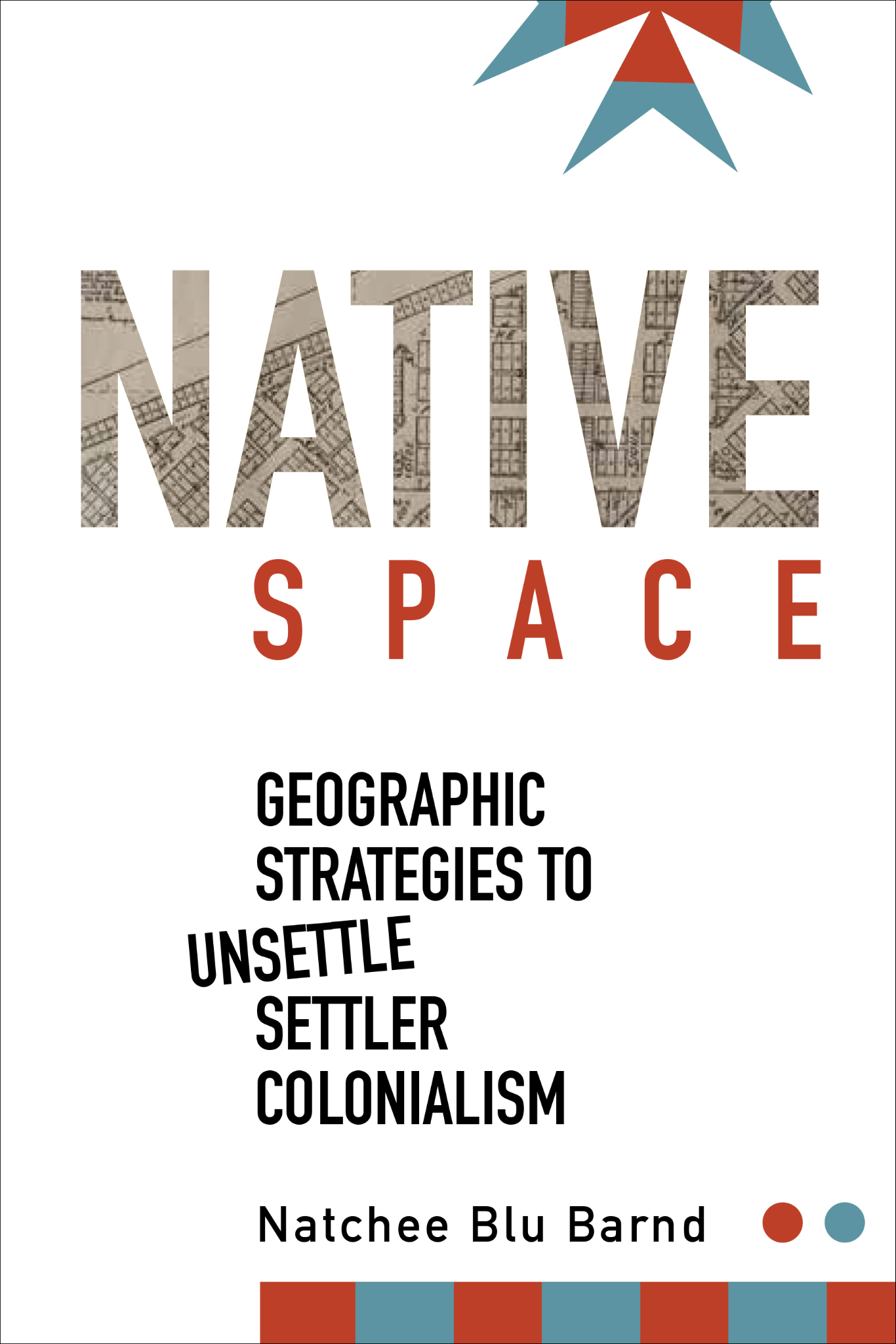
Dr. Natchee Blu Barnd is a comparative and critical ethnic studies scholar interested in the intersections between ethnic studies, cultural geography, and Indigenous studies. His research focuses on issues of race, space, and Indigenous geographies. His first book, Native Space: Geographic Strategies to Unsettle Settler Colonialism (OSU Press, and the First Peoples series) illustrates the ways that Native people in North America sustain and create Indigenous geographies in settler colonial nations (and was awarded the Association for Ethnic Studies’ 2021 Outstanding Book Award). Dr. Barnd also writes on pedagogy, cartography, contemporary media, college cultural centers, and popular culture.


His writing appears in: Journal of Geography, Native American and Indigenous Studies (forthcoming), Cartographica, Mobilities, e-flux Architecture/Guggenheim, American Indian Culture and Research Journal, People and Nature, Social Text/Natural History Museum, Urban Geography, Seminar: A Journal of Germanic Studies, AAG Review of Books, Yearbook of the Association of Pacific Coast Geographers, Oregon Humanities.


Fiona Connor

Thursday, November 12th, 2026

5:00 pm- 6:50 pm

Room 1101 in Interactive Learning Pavilion (ILP)


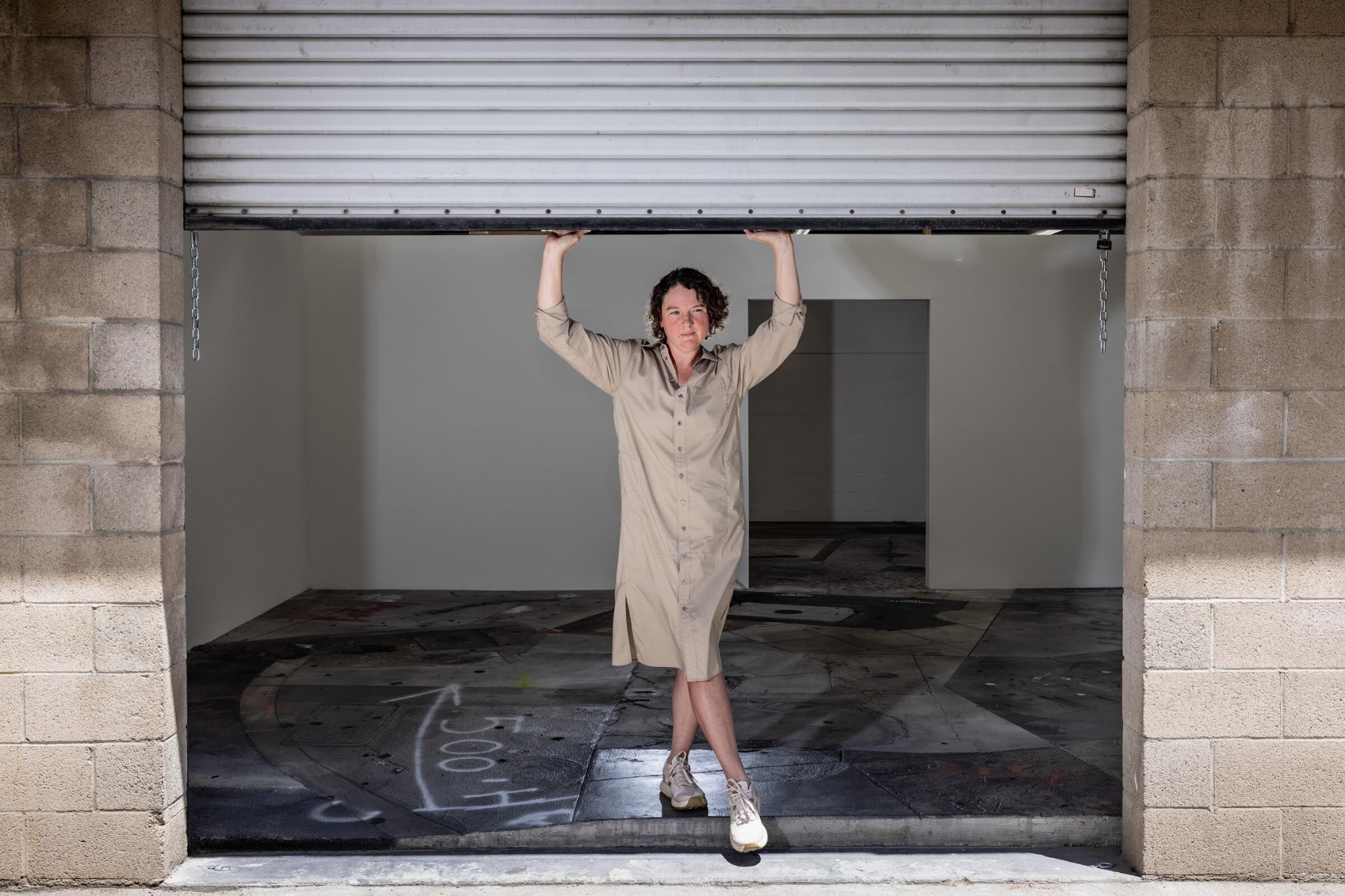
Vital, recurring concerns in her practice include the object’s social and psychological life, the politics of camouflage and mimesis, and the ethics and aesthetics of the built environment. In her conceptually enriched and materially astute practice, Fiona Connor has evolved a sculptural language that unsettles objects and environments by reproducing them.


While many of Connor’s gestures feel in step with conceptualism, the artist manages to swerve from conceptualism’s clinical or arcane corollaries. Her works tend to be imprinted with personal and idiomatic properties, as she’s drawing on sources where intimacy and anonymity might both be hosted at once. And while her works may be read as endpoints, in that they punctuate or memorialize, her work equally marks a reincarnation: an additional life is given to the objects, actions and sites that she reproduces. There is a lambent effect in the surfaces and forms of her work, a radiance suggestive of the ontological rumblings that exist within it. She studied at University of Auckland’s Elam School of Fine Arts (BA/BFA 2004) and University of California San Diego (BA majoring in History 2008) and California Institute of the Arts (MFA 2011). She currently an Assistant Professor in the Department of Art at UC Riverside.


Enrique MartĂ­nez Celaya

UC Santa Barbara Art Department Distinguished Alumni Artist Talk

Thursday, November 19th, 2026

5:00 pm- 6:50 pm

Room 1101 in Interactive Learning Pavilion (ILP)


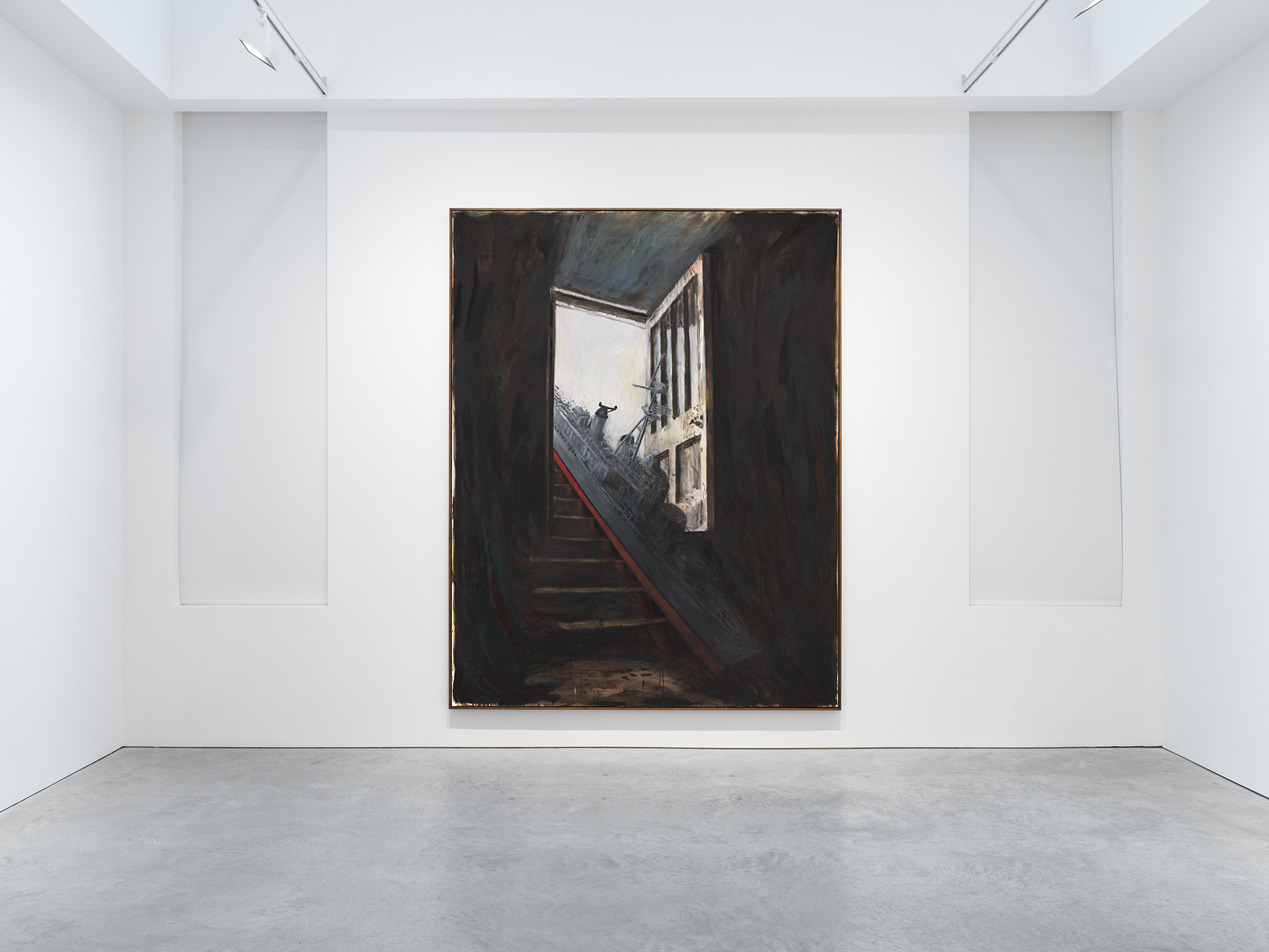
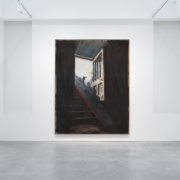
The Gnawing, 2024, Oil and wax on canvas, 118 x 92 in.


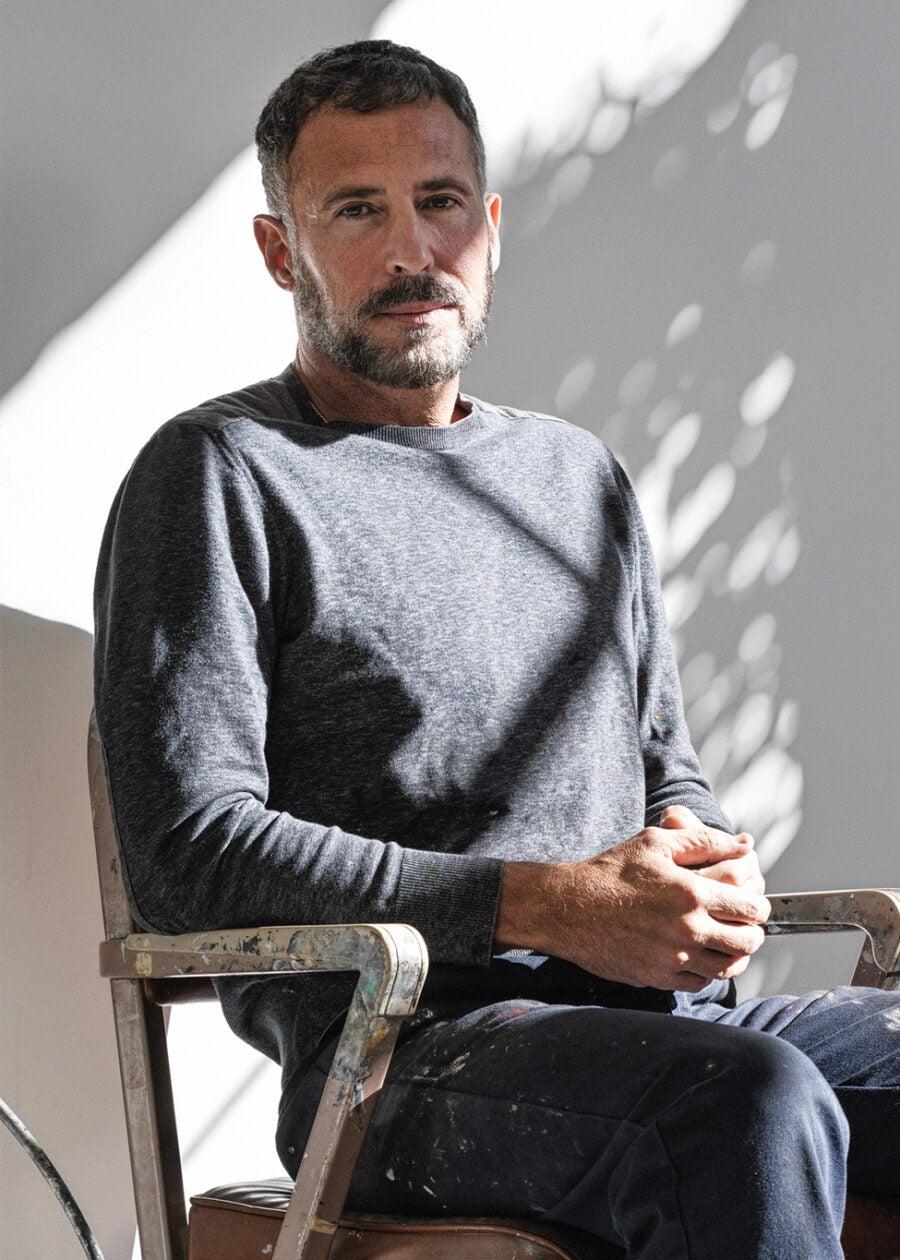
Enrique MartĂ­nez Celaya is an artist, author, and former scientist whose work encompasses painting, sculpture, drawing, immersive environments, essays, poetry, and fiction. His practice examines the experience of the individual amid social, ethical, and existential conditions, and the capacity of art to widen perception and lend structure to meaning. These concerns take form through materials ranging from oil paint and bronze to tar, blood, and sugar, as he investigates the nature of art, memory, exile, and the legacies of history.


His work has been exhibited internationally and is held in more than sixty public collections, including the Metropolitan Museum of Art, the Whitney Museum of American Art, The Museum of Fine Arts, Houston, the Moderna Museet in Stockholm, The Huntington, and the Los Angeles County Museum of Art. He has undertaken major projects and installations worldwide, including at the State Hermitage Museum in St. Petersburg, The Phillips Collection in Washington, D.C., the Berliner Philharmonie in Berlin, and the Museo Nacional de Bellas Artes in Havana, and has participated in two-person exhibitions with historical figures such as Albert Pinkham Ryder, Käthe Kollwitz, and Diego Velázquez.


He is the first Provost Professor of Humanities and Arts in the history of the University of Southern California. His teaching integrates literature, philosophy, and art, reflecting a sustained commitment to education and inquiry across disciplines.


Jesse Colin Jackson

Thursday, December 3rd, 2026

5:00 pm- 6:50 pm

Room 1101 in Interactive Learning Pavilion (ILP)


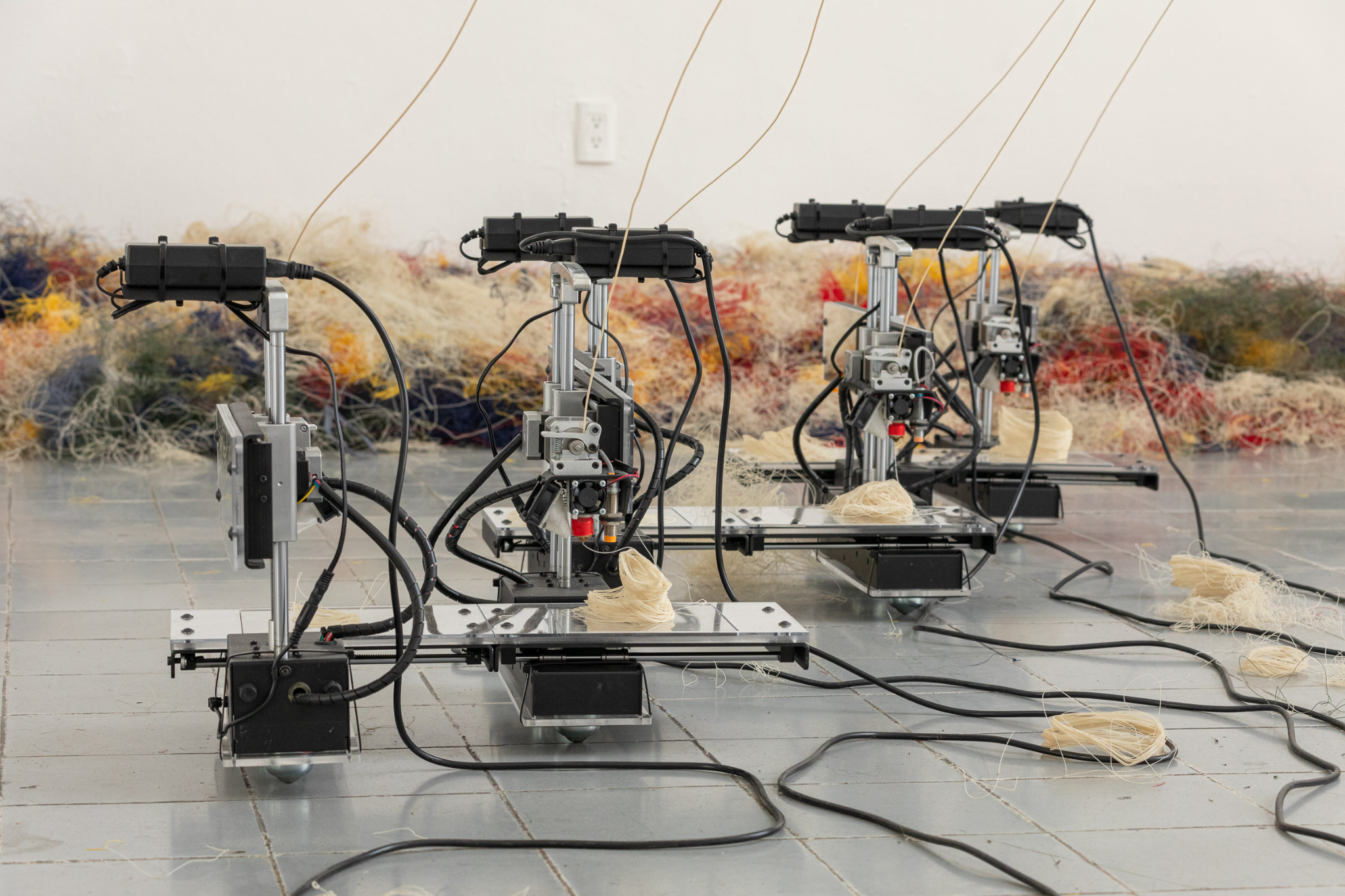
The Printers Dance, 2024


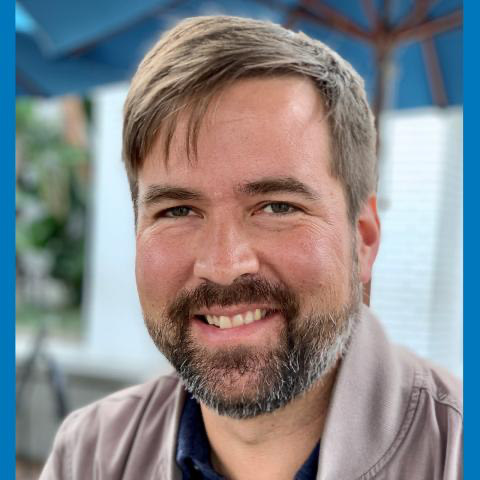
Jesse Colin Jackson is a Canadian artist and designer based in Southern California. He explores the architectures we construct—from buildings to landscapes to virtual worlds—through objects and images created with digital visualization and fabrication technologies. His long-running Marching Cubes series (2016–present) has been featured in Toronto, Montreal, Vancouver, Mexico City, Stockholm, Tehran, and across the United States. In 2024, his new suite of kinetic works, The Printers Dance, premiered at Museo Taller José Clemente Orozco and two other venues in Guadalajara, Mexico.


Jackson’s solo exhibitions, focused on the places we live, have been reviewed in the Los Angeles Review of Books, LA Weekly, the Los Angeles Times, The Globe and Mail, and Canadian Architect. He has also edited and curated interdisciplinary projects including Engaging the Margins: Experimental Practices in Interdisciplinary Art (2024), Urban Ecologies 2013 (2016), and Making it Real (2013), one of the first international exhibitions of digitally fabricated objects.


At the University of California, Irvine, Jackson has been a fellow at the Newkirk Center for Science & Society and Beall Applied Innovation, and was a 2014–15 Hellman Fellow. He was previously a 2008–10 Howarth-Wright Fellow at the University of Toronto. He is professor of electronic art and design at the UC Irvine Claire Trevor School of the Arts, where he also serves as associate dean for research and innovation and executive director of the Beall Center for Art + Technology.